Buying Guide
Mudroom & Entry Flooring for Idaho Winters
The first six feet inside your door take the worst abuse in the house — meltwater, sanding grit, and de-icer residue. What actually survives an Idaho entry.
Buying Guide · 6 min read
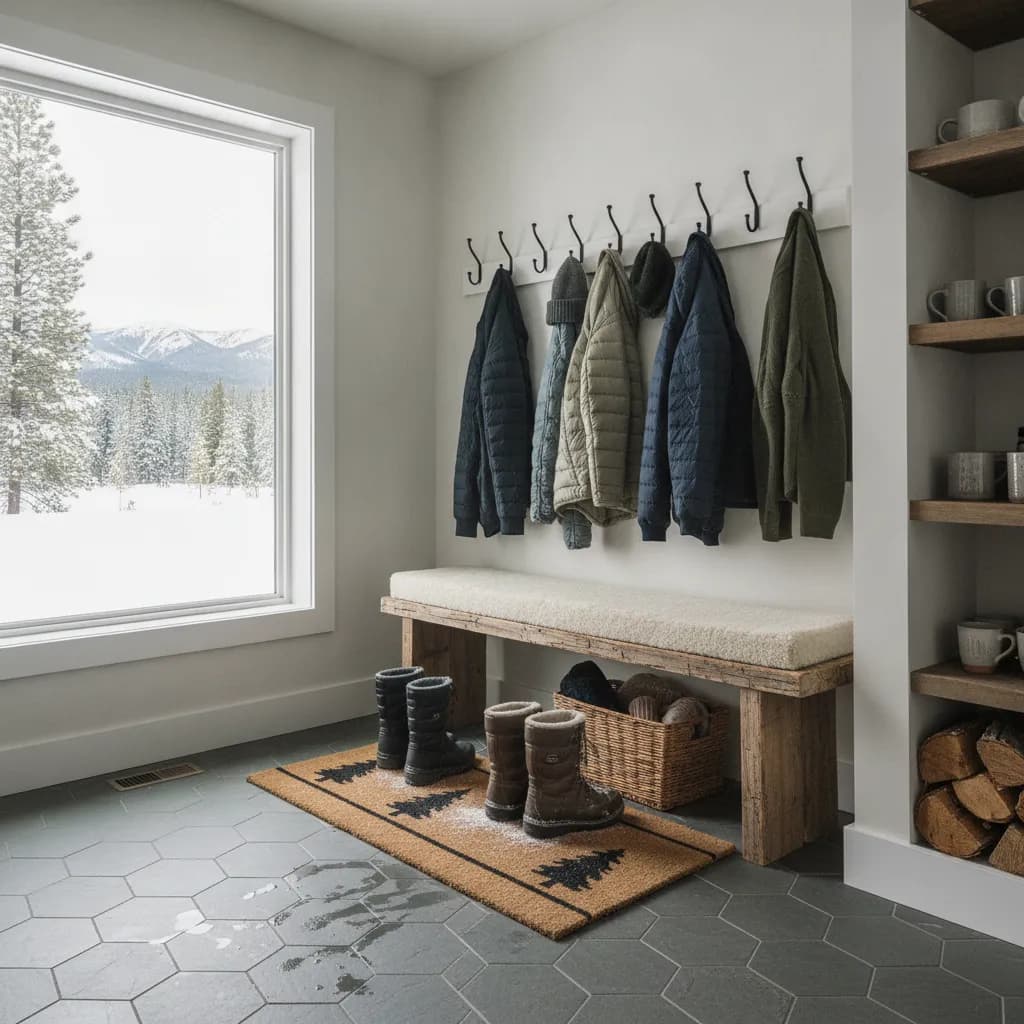
Every winter, Treasure Valley entryways run the same experiment: boots come in carrying snow, road sand, and de-icer, the snow melts into puddles, the sand grinds underfoot, and the de-icer dries into a white film that gets tracked another ten feet into the house. By March, the first six feet inside the door have endured more abuse than the living room floor will see in five years. If you're building, remodeling, or just tired of babying the wrong floor at your busiest door, this is the room where material choice matters most per square foot.
Know Your Enemy: It's Not Just Water
Meltwater is the obvious threat, and it's real — snow doesn't get wiped up the way a spill does, because it hides in boot treads and puddles later, often after everyone's left the room. But the sneakier enemies are abrasive and chemical. The sand and fine gravel spread on Idaho roads and sidewalks is effectively loose sandpaper; ground into a floor by foot traffic all winter, it dulls finishes and wears through thin wear layers at the doorway pivot points first. Ice-melt products add a chemical residue that leaves hazy white deposits and, on some finishes, gradual damage if it's never cleaned off. A good entry floor has to shrug off all three — standing moisture, abrasion, and residue — and be easy to clean weekly without ceremony.
Tile: The Gold Standard for the Job
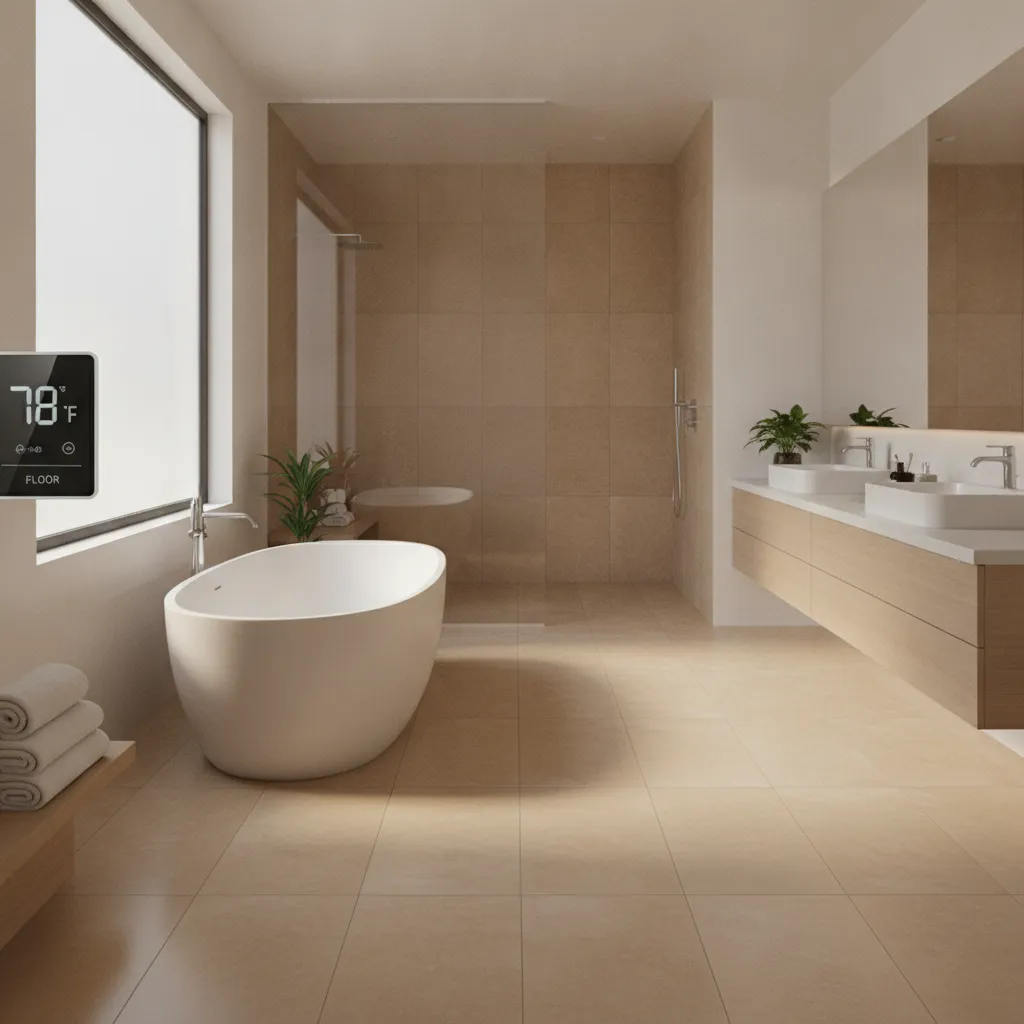
Porcelain tile is the closest thing to a purpose-built answer for an Idaho mudroom. It's impervious to meltwater, immune to grit abrasion in any practical sense, and indifferent to de-icer chemistry. Choose a matte or textured surface rather than a polished one — wet, smooth tile is a slip hazard exactly where people arrive in wet boots — and consider a mid-tone or patterned tile that hides the sand between cleanings. Darker grout, sealed, spares you the fate of white grout lines in a boot room. Tile's one honest drawback, cold feet, is solvable in the best possible way: an electric heating mat under the tile turns the coldest room in the house into the place the dog refuses to leave, and it helps the floor dry itself between waves of boots.
LVP: The Practical All-Rounder
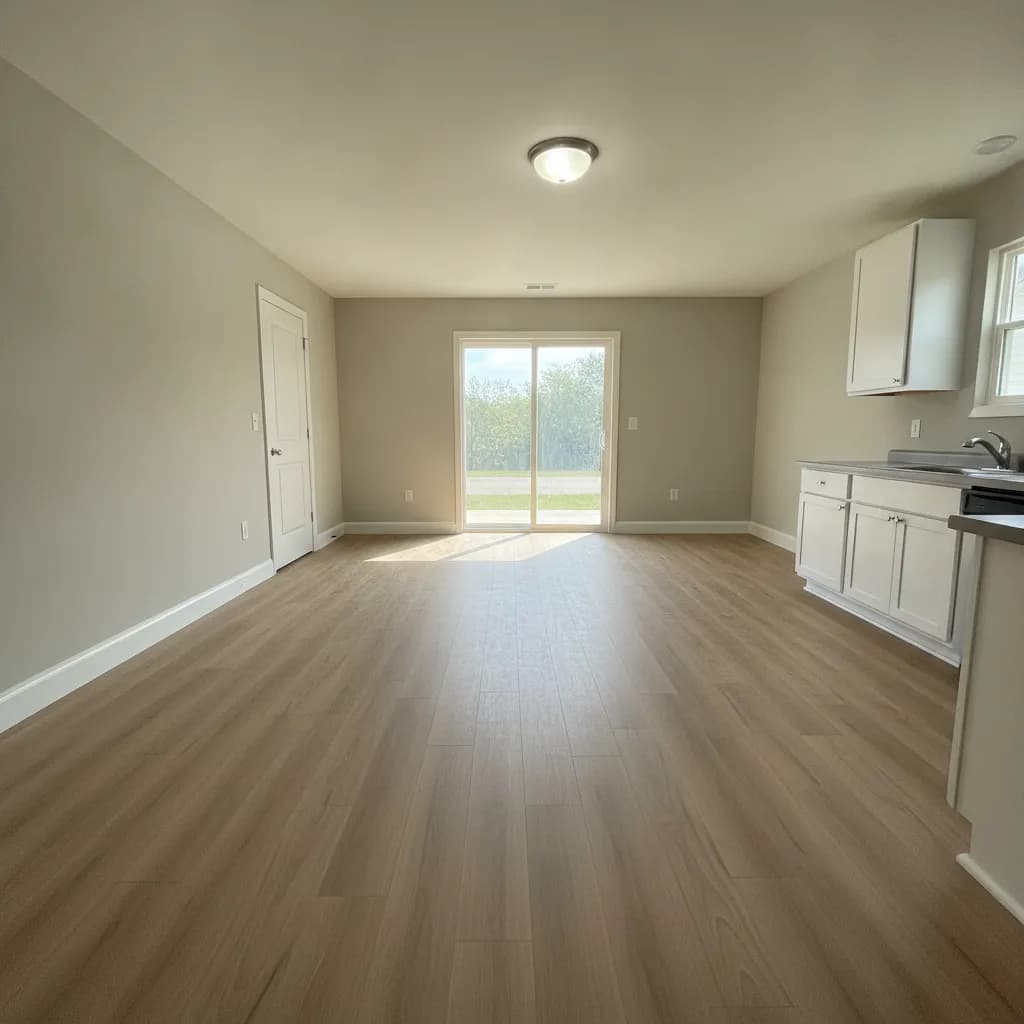
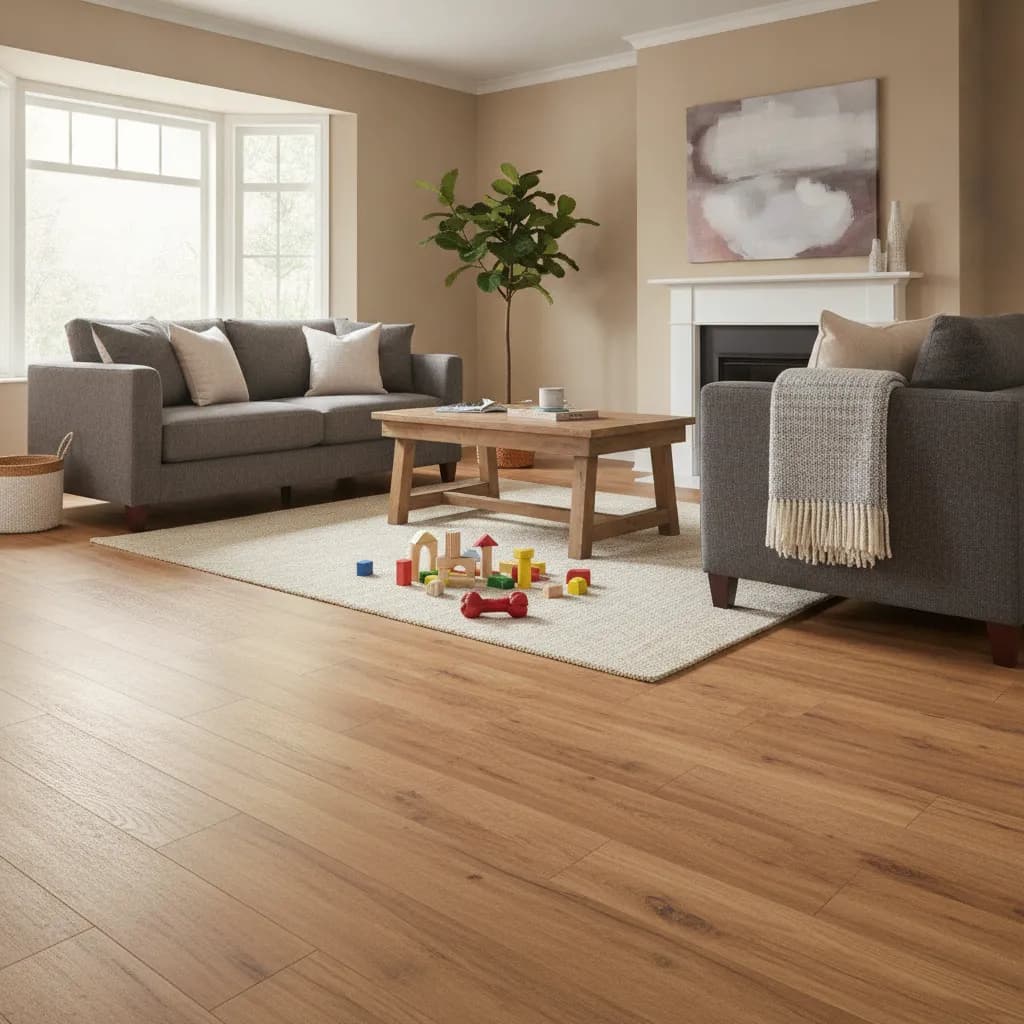
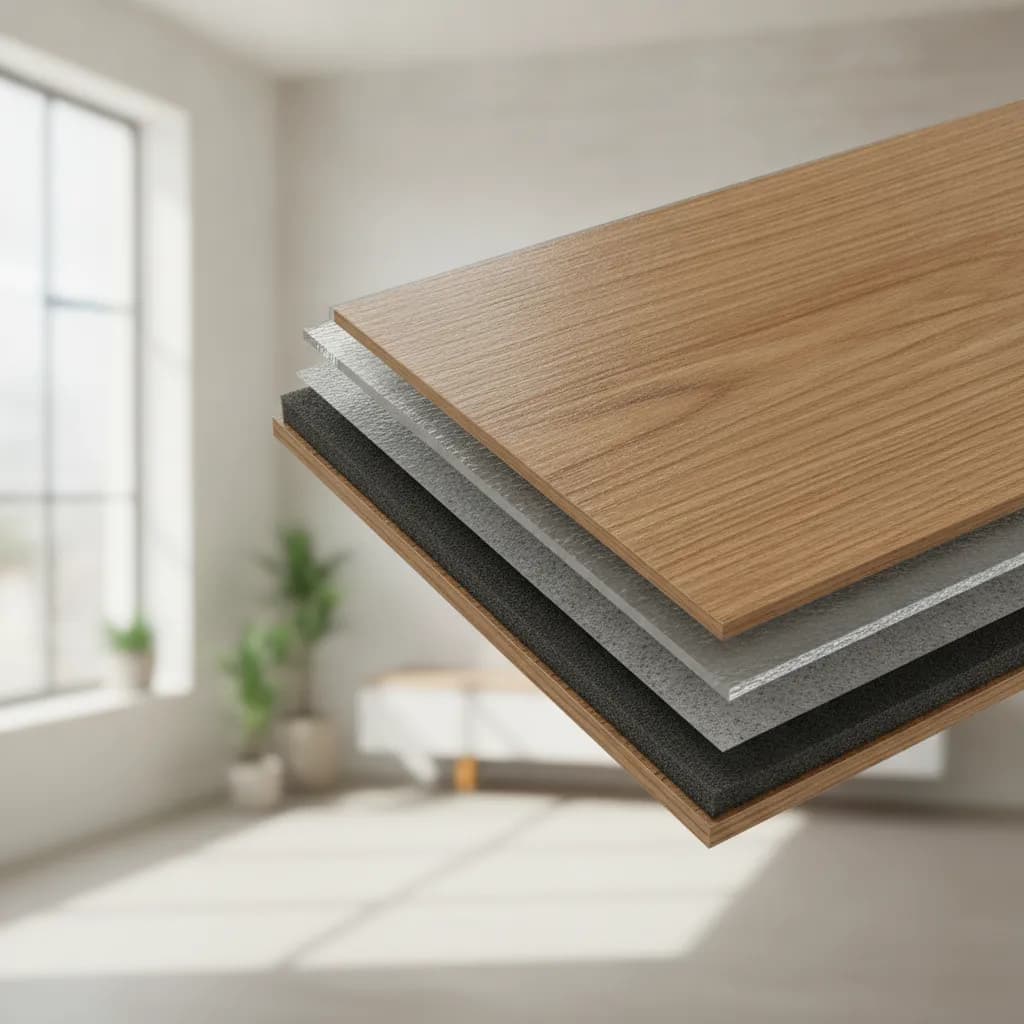
Quality luxury vinyl plank is the strong second choice and often the right one, especially when the mudroom flows into a hallway or kitchen that's already LVP. A waterproof rigid core handles the puddles; the caveat is the wear layer, because grit abrasion is precisely the attack thin wear layers lose to. An entry is the one room where paying for the thicker wear layer is unambiguously worth it. Textured finishes hide fine scratching and offer better wet grip than smooth ones. If your current entry LVP is builder-grade, expect the doorway traffic lane to show wear first — that's the canary.
The Materials to Keep Away from the Door
Solid hardwood at an exterior door in this climate is a maintenance commitment at best: repeated meltwater exposure attacks the finish and then the wood, grit sands the sheen off the traffic lane, and the seasonal dryness we live with already has the boards moving. If the entry opens into a hardwood hallway, a generous tile landing zone at the door is the graceful compromise. Laminate deserves particular caution here despite its tough surface — most laminate cores are wood-based fiberboard, and repeated meltwater at the seams is exactly how they swell. Carpet in a mudroom needs no explanation.
Design Details That Do Half the Work
The floor doesn't fight alone. A recessed or surface walk-off mat zone — a genuinely absorbent mat, not a decorative one — captures most of the water and sand before it spreads. A boot tray by the bench catches the worst offenders entirely. A floor drain is a luxury worth considering in a full remodel if plumbing allows. And a winter cleaning rhythm of vacuuming the grit before damp-mopping the residue keeps both from doing cumulative damage. None of this is complicated; it's just the difference between a mudroom designed for Idaho and one designed for a catalog photo.
The Short Version
Tile with a heating mat if you can; thick-wear-layer waterproof LVP if you'd rather; a tile landing zone if hardwood surrounds the door; and a real mat regardless.
Quick Answers
How big should a tile landing zone be if the rest of the floor is wood? Big enough that wet boots come off before they leave it — as a rule of thumb, deep enough for two full steps plus a bench if you have the room. Skimpy two-foot landings just relocate the puddle. Does heated tile cost a lot to run in a mudroom? Run on a schedule for the morning rush and after-school window rather than around the clock, it's a modest line on the power bill — and in a mudroom it earns part of that back by drying the floor between waves of boots. Is grout really that much trouble? Modern high-performance grouts stain far less than the grout in your childhood bathroom, and a darker color plus sealing handles the rest. What about a floor drain? If you're already opening the floor in a remodel and the plumbing cooperates, it's the kind of detail people brag about later — worth pricing, rarely essential.
If you're planning a mudroom or entry project anywhere in the Treasure Valley, Alderwood Flooring will help you match the material to the way your household actually comes through the door — free estimates, honest advice.
Sources
Tile Council of North America — tile installation standards (TCNA Handbook): https://www.tcnatile.com/
National Wood Flooring Association — guidance on moisture and wood floor care: https://nwfa.org/technical-standards/
Ready for Floors You'll Love?
Ready to talk through your project? Free estimates throughout The Treasure Valley & Boise Metro.