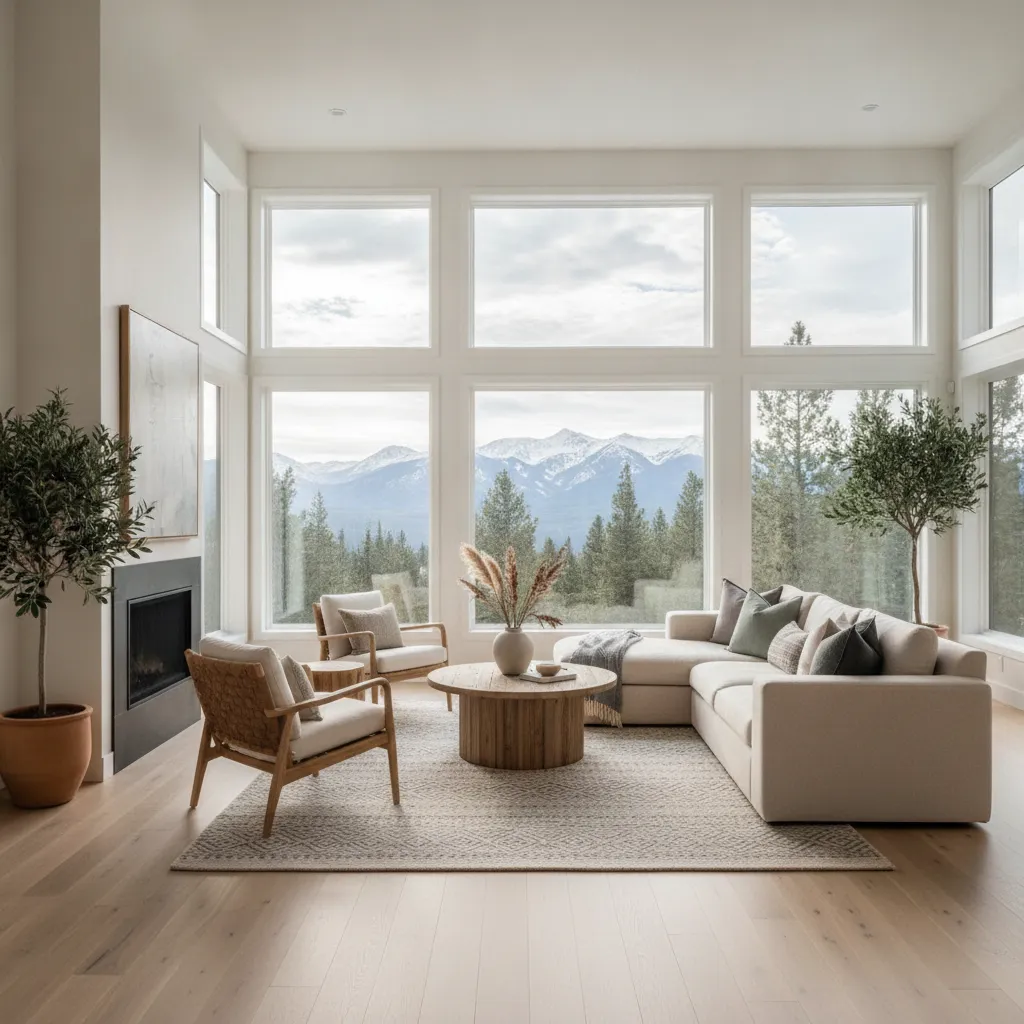
Flooring by Room
Kitchen Flooring
The kitchen is the hardest-working floor in the house. Here is how to pick one that shrugs off spills, dropped pans, and daily traffic in a Treasure Valley home.
The kitchen asks more of a floor than any other room. It gets standing water at the sink, grease near the range, grit tracked in from the garage, and the steady back-and-forth of cooking, cleaning, and gathering. A material that looks great in a bedroom can fail here in a couple of years. So the honest starting point is not a color or a style, it is a short list of demands the floor has to survive.
Three demands matter most. First, moisture, because kitchens see spills, drips, dishwasher leaks, and the occasional overflowing sink. Second, impact and abrasion, because dropped pans, pet claws, and dragged bar stools all leave their mark. Third, cleanability, because a floor you cannot wipe down quickly is a floor you will resent. Rank those three by how your household actually cooks and lives, and the material choice gets much simpler.
Comfort and looks still count. You stand in a kitchen more than you sit, so a floor with a little give underfoot, or one paired with an anti-fatigue mat at the sink, makes long cooking sessions easier. And because the kitchen usually opens to the rest of the main floor, the flooring you choose often has to flow into the dining and living areas without an awkward transition. That pushes many Idaho homeowners toward one continuous material across the whole level.
Here in the Treasure Valley, the local climate shapes the decision more than people expect. Dry winters and forced-air heat pull moisture out of wood, so solid hardwood moves and can gap. Many Boise-area kitchens sit on a slab or over a basement, which raises the question of subfloor moisture. We factor all of that in below, material by material, so you can make a choice you will still be happy with in ten years.
What a kitchen floor really has to survive
Picture a normal week. A glass of water tips at the island and no one notices for an hour. A cast-iron pan slips off the counter. The dog comes in from the yard with muddy paws. Someone spills olive oil by the stove. A good kitchen floor takes all of that without staining, denting, swelling, or trapping grime in its seams. When we talk about durability in a kitchen, that is the specific list we mean, not an abstract rating.
Waterproof performance is the single biggest divider between materials. A truly waterproof surface, such as luxury vinyl plank or tile, lets a spill sit without any damage as long as it is not left standing for days. Wood-based floors are water-resistant at best, which means quick cleanup keeps them fine but a slow dishwasher leak can cause real harm. Where you land on that spectrum should match how forgiving your household is about cleaning up right away.
Seams and finish matter just as much as the core material. A floor with tight, sealed seams and a hard wear layer wipes clean and resists staining. Wide grout lines or worn finish let grease and dirt settle in, so cleanability drops over time. That is why installation quality and the right finish are not upgrades in a kitchen, they are part of whether the floor does its job.
- Standing water at the sink and dishwasher
- Dropped pans, dishes, and heavy impact
- Grit and mud tracked from entries and garage
- Grease and oil splatter near the range
- Rolling loads from stools and step ladders
- Frequent mopping and spot cleaning
Idaho conditions that change the math
Treasure Valley winters are dry, and forced-air furnaces make the indoor air drier still. Wood responds to that by giving up moisture and shrinking, which is how you get seasonal gaps between boards. It is not a defect, it is physics, but it means solid hardwood in a kitchen needs proper acclimation before install and ideally a whole-house humidifier to steady the swing between seasons. Engineered wood, built as a cross-layered plank, moves far less and handles that dry-winter cycle much better.
Then there is what sits under the floor. A lot of Boise-area homes are slab-on-grade or have finished basements, and concrete can pass moisture up into the flooring for years. Before we install anything moisture-sensitive, we test the slab and address it with the right underlayment or moisture barrier. Skipping that step is the most common reason a floor cups or a laminate swells months later. It is invisible prep, and it is the part that protects your investment.
Radiant heat is common in Idaho kitchens and mudrooms, and it is a genuine comfort in a cold climate. Not every material or installation method is compatible with it, and heat cycling adds another reason to favor dimensionally stable products like tile or engineered wood over solid hardwood. If your kitchen has radiant, or you are adding it, tell us early so we match the floor and the installation to the system.
- Dry winters plus forced-air heat move solid wood
- Acclimate wood on site before installing
- Test slabs and basements for moisture first
- Radiant heat favors tile and engineered wood
- Mud and grit at entries argue for waterproof surfaces
Design and flow across the main level
Because kitchens usually open into dining and living space, the flooring decision is rarely just about the kitchen. Running one continuous material across the whole level makes a modest home feel larger and avoids the chopped-up look of multiple transitions. Wide luxury vinyl plank and engineered wood both do this beautifully, and both come in convincing wood looks that read as warm and natural underfoot.
Tile is the exception worth considering. It is the toughest, most waterproof option, but it is also hard and cold, and a clean transition from tile to the adjacent wood-look floor takes planning. Some homeowners love a defined tile kitchen; others prefer the seamless flow of a single material everywhere. Neither is wrong, it comes down to how you want the space to feel and how much standing time you log at the counter.
Whatever you choose, small details make the finished kitchen feel considered. Matching or complementary transitions at doorways, toe-kick and appliance clearances handled correctly, and a finish sheen that hides everyday dust all add up. These are the things we walk through before ordering material, so the floor fits the room and the way you use it.
Material by Material
What Works in a Kitchen
Luxury Vinyl Plank (LVP)
Best choiceFor most Idaho kitchens, LVP is the practical winner. It is fully waterproof, resists dents and scratches with a tough wear layer, wipes clean easily, and gives underfoot for comfort while cooking. It handles dry winters and slab installs without the movement worries of real wood, and modern wood looks are genuinely convincing.
Tile
Best choicePorcelain or ceramic tile is the most durable and waterproof surface you can put in a kitchen, and it pairs naturally with radiant heat. The tradeoffs are that it is hard and cold underfoot, and grout lines need sealing to stay clean. If toughness and moisture are your top priorities, tile is hard to beat.
Engineered Wood
Great optionEngineered wood gives you the warmth and resale appeal of real hardwood with far better stability in our dry climate. Its cross-layered construction resists the seasonal gapping that plagues solid wood, and it works over slabs and radiant heat. It is water-resistant, not waterproof, so prompt spill cleanup is the rule.
Solid Hardwood
Use with careSolid hardwood is possible in a kitchen and can be stunning, but it is the least forgiving choice here. It needs careful acclimation, humidity control against dry Idaho winters, and quick attention to any spill. Choose a harder species and a durable finish, and know that it demands more maintenance than the alternatives.
Laminate
Good on a budgetModern water-resistant laminate looks good and takes abuse well at a lower cost, but standard laminate cores can swell if water sits in the seams. In a kitchen we only recommend the water-resistant grades, and even then LVP usually delivers better peace of mind for a similar price.
Explore These Materials
Top Picks for Your Kitchen
Luxury Vinyl Plank
Waterproof, wood-look LVP that shrugs off snow boots, pets, and busy households.
Learn more →Tile Flooring
Porcelain and ceramic tile set flat and level — snow-country entries included.
Learn more →Engineered Hardwood
Real-wood wear layers on a stable core — built for dry winters and radiant heat.
Learn more →Still deciding? Compare every option side by side in our flooring comparison guide, or use the cost calculator.
Weighing Two Options?
Compare Floors for Your Kitchen
More Rooms
Flooring for Every Room
Good to Know
Frequently Asked Questions
Can I put real hardwood in my kitchen?
Yes, but with caveats. Hardwood in a kitchen means committing to quick spill cleanup, humidity control through our dry Idaho winters, and a durable finish. Engineered wood is the smarter way to get the hardwood look with much better stability. If you have your heart set on solid wood, choose a harder species and plan for the extra care it needs.
Is luxury vinyl plank durable enough for a busy kitchen?
For most households, yes. Quality LVP is fully waterproof, resists scratches and dents from dropped pans and pet claws, and cleans up with a quick mop. The key is choosing a product with a thick wear layer and having it installed over properly prepped subfloor, which we handle as part of the job.
What is the most waterproof kitchen floor?
Tile and luxury vinyl plank are both fully waterproof surfaces, so a spill can sit without damaging them. Tile edges out LVP on raw toughness and pairs naturally with radiant heat, while LVP is warmer and softer underfoot. Wood-based floors are water-resistant at best and rely on prompt cleanup.
Do I need to worry about my concrete slab or basement?
Yes, and it is worth taking seriously. Concrete can pass moisture up into flooring for years, which is a common cause of cupping or swelling down the road. We test the slab before installing anything moisture-sensitive and use the right barrier or underlayment, so the floor is protected from below.
Should the kitchen match the rest of my main floor?
It often makes sense to. Running one continuous material across the kitchen, dining, and living space makes a home feel larger and avoids awkward transitions. LVP and engineered wood both do this well. Tile is the main reason to break the flow, since it defines the kitchen as its own space. We can walk you through both looks before you decide.
Ready to Floor Your Kitchen?
Call (208) 779-4248 or request a free estimate — we'll help you pick the right floor for your kitchen and install it right.