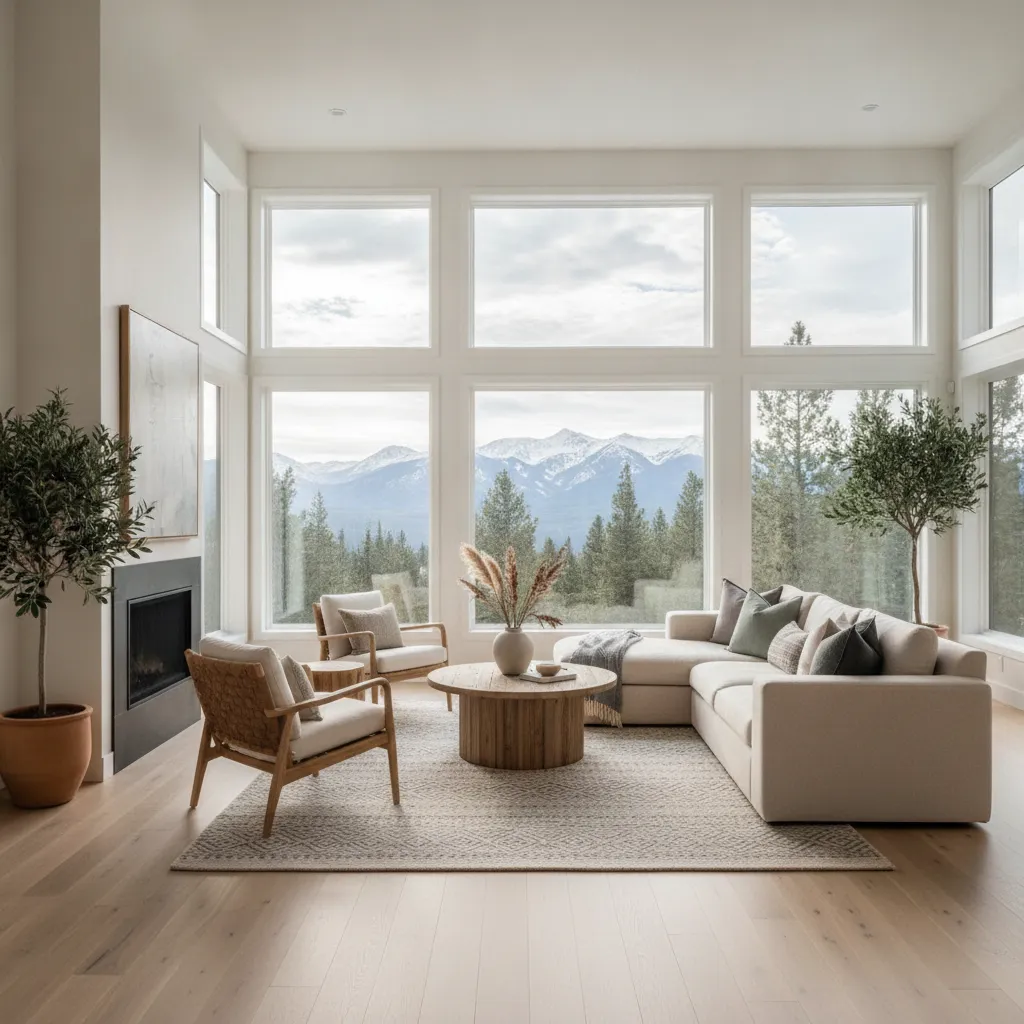
Flooring by Room
Bedroom Flooring
The bedroom is the one room that rewards softness, quiet, and warmth over toughness. Here is how to weigh carpet, hardwood, engineered wood, and LVP for a Treasure Valley home.
A bedroom asks less of a floor than almost any other room in the house. There is no water splashing off a sink, no grit tracked in from the driveway, no dinner spilled at the table. What a bedroom does ask for is comfort. You walk on it barefoot, you get out of bed onto it on a cold January morning, and you want the room to feel calm and quiet. That changes the whole calculation. In a kitchen you optimize for durability and cleanability. In a bedroom you optimize for warmth underfoot, sound, and the feeling of the space.
Because traffic is light and moisture is low, materials that would struggle elsewhere do beautifully here. That is why carpet, which we would steer you away from in a mudroom or a bathroom, is often the single best choice for a bedroom. It is also why softer, more delicate hardwoods that show a scuff in a hallway can live a long, gentle life under a bed. The bedroom is where you get to prioritize how a floor feels rather than how much abuse it can take.
Sound is the quiet factor most people underestimate. A hard floor in a bedroom reflects noise, and footsteps carry to the room below. If the bedroom sits over a living area, or you have kids whose rooms share a wall, the acoustic difference between carpet and bare plank is large. Soft surfaces and good underlayment absorb sound instead of bouncing it around. That is worth thinking about before you commit to a hard surface for the way it looks in photos.
Then there is Idaho. Our winters are dry and long, and forced-air heat pulls even more moisture out of the indoor air. That matters for solid hardwood, which shrinks and can gap during heating season and swell back in summer. It matters less for engineered wood and not at all for carpet or vinyl. Whether the bedroom is upstairs, on a slab, or over a basement also shapes what will sit flat and stay quiet. We will walk through all of it below.
What a Bedroom Really Demands
Start by being honest about how the room is used. A primary bedroom sees two people walking a short path from the door to the bed and the closet. A guest room may go weeks without a footstep. A kid's room takes more of a beating, with toys, floor play, and the occasional crayon, but even that is gentle next to the front hall. Low, predictable traffic means you can chase comfort instead of armor.
The two comfort levers that matter most are warmth and sound. Warmth is partly the material and partly what is under it: carpet with a good pad feels warm because it traps a layer of still air, while bare plank on a cold subfloor feels cool no matter the finish. Sound works the same way. Soft surfaces and quality underlayment absorb footfall and voices; hard surfaces reflect them. If quiet is a priority, that should weigh heavily in your choice.
Moisture, the thing that drives so many flooring decisions elsewhere, is barely a factor here. You are not going to flood a bedroom. That frees you to pick based on feel, look, and budget rather than worrying about spills and standing water.
- Light, predictable foot traffic
- Warmth underfoot is a top priority
- Sound absorption matters, especially upstairs
- Very low moisture risk
- Barefoot comfort over scuff resistance
- Look and feel can lead the decision
Idaho Factors for Bedroom Floors
Our dry climate is the single biggest reason to think twice about solid hardwood in a bedroom, or anywhere in a Treasure Valley home. Winter humidity indoors can drop into the teens once forced-air heat runs, and solid wood responds by shrinking. You may see thin gaps open between boards in January that close again by July. It is normal wood behavior, not a defect, but it surprises people. Proper acclimation before installation and running a humidifier through heating season both reduce the movement. Engineered wood, built as a cross-layered plank, moves far less and is the more forgiving choice in most Idaho bedrooms.
Where the bedroom sits in the house changes the prep. A slab-on-grade bedroom or one over a basement can carry moisture up from below, so we test the slab before laying anything moisture-sensitive over it. A bedroom above a cold basement or crawlspace benefits from carpet and pad, or from a good underlayment under a hard floor, simply for the warmth. If you have radiant heat in the floor, that narrows the field: engineered wood and vinyl are radiant-friendly, thick solid hardwood generally is not, and carpet with a heavy pad can insulate the heat you paid for right out of the room.
None of this is meant to scare you off any one material. It is meant to match the material to the conditions so the floor behaves the way you expect for years, not just on install day.
- Dry winters and forced-air heat move solid wood
- Acclimate wood and humidify in winter
- Test slabs and basement floors for moisture
- Engineered wood suits radiant heat, thick solid wood usually does not
- Heavy carpet pad can blunt radiant warmth
Comfort, Sound, and Design Choices
If a warm, quiet, cocoon-like bedroom is the goal, carpet is hard to beat and it is why so many homeowners still choose it here even when the rest of the house is hard surface. A mid-grade carpet over a good pad transforms how a room feels and sounds. If you love the look of wood but want some give, area rugs over engineered wood or LVP are a popular middle path: the hard floor flows visually with the rest of the home, and the rug delivers softness and sound control right where your feet land.
Think about continuity, too. If your hallway and adjoining rooms are wood or wood-look plank, carrying that surface into the bedroom makes the upstairs read as one calm, connected space, and rugs let you soften it. If the bedrooms are their own zone behind closed doors, switching to carpet there is completely reasonable and very common. There is no rule that every room must match.
Whatever you choose, the layer underneath earns its keep in a bedroom. A quality carpet pad or a good acoustic underlayment under plank is where quiet and warmth actually come from. It is the least glamorous line on an estimate and often the one that determines how the finished room feels.
Material by Material
What Works in a Bedroom
Carpet
Best choiceFor pure bedroom comfort, carpet leads. It is the warmest surface underfoot on a cold Idaho morning, it absorbs footfall and voices better than any hard floor, and low bedroom traffic means it wears slowly and stays looking good for years. Pair it with a quality pad, which is where most of the warmth and quiet actually come from.
Engineered Wood
Great optionIf you want the look of real wood in the bedroom, engineered is the smarter pick for our dry winters. Its cross-layered build resists the shrinking and gapping that solid wood shows during heating season, and it works over slabs and radiant heat where solid hardwood struggles. Add an area rug for softness where your feet land.
Hardwood
Good optionSolid hardwood is beautiful and, because bedroom traffic is light, a delicate species can live a long, gentle life here. The main caution is Idaho's dry indoor air, which makes boards shrink and gap in winter. Acclimate the wood properly, run a humidifier through heating season, and avoid it over slabs or radiant heat.
Luxury Vinyl Plank
Good on a budgetLVP is stable, quiet with the right underlayment, and unbothered by the moisture concerns that complicate wood, which makes it a practical, wallet-friendly bedroom floor. It feels cooler and harder than carpet underfoot, so most people warm it up with a rug beside the bed. A solid choice if you want a wood look without fuss.
Laminate
Use with careLaminate can look convincing and holds up fine to light bedroom use, but it tends to sound hollow and feel hard without good underlayment, which is the opposite of what a bedroom wants. If budget points you here, insist on a quality acoustic underlay and plan on a rug. For most bedrooms, LVP or carpet serves comfort better.
Explore These Materials
Top Picks for Your Bedroom
Carpet Installation
Power-stretched carpet with proper pad for bedrooms, basements, and stairs.
Learn more →Engineered Hardwood
Real-wood wear layers on a stable core — built for dry winters and radiant heat.
Learn more →Hardwood Flooring
Solid white oak, hickory, and maple — acclimated on site for Idaho's dry climate.
Learn more →Luxury Vinyl Plank
Waterproof, wood-look LVP that shrugs off snow boots, pets, and busy households.
Learn more →Still deciding? Compare every option side by side in our flooring comparison guide, or use the cost calculator.
Weighing Two Options?
Compare Floors for Your Bedroom
More Rooms
Flooring for Every Room
Good to Know
Frequently Asked Questions
Is carpet or hardwood better for a bedroom?
It depends on what you want the room to feel like. Carpet wins on warmth and quiet, which are the two things bedrooms benefit from most, and low traffic means it lasts. Hardwood or engineered wood wins on looks and easy cleaning, and you can add an area rug for softness. There is no wrong answer; it comes down to whether comfort or aesthetics leads for you.
Will solid hardwood gap in an Idaho bedroom?
It can. Our dry winters and forced-air heat pull moisture out of the air, and solid wood shrinks in response, which can open thin gaps between boards that close again in summer. This is normal wood movement, not a defect. Proper acclimation before installation and running a humidifier during heating season both reduce it. Engineered wood moves much less if gapping concerns you.
What is the warmest floor for a cold bedroom?
Carpet with a good pad is the warmest, because it traps a layer of still air that insulates your feet from a cold subfloor. If you prefer a hard floor, an area rug over engineered wood or LVP gives you warmth right where you step out of bed, and a quality underlayment helps too. If the bedroom is over a cold basement or crawlspace, that layer underneath matters even more.
Can I put the same floor in the bedroom as the rest of the house?
Yes, and carrying one surface through the hallway and bedrooms makes an upstairs feel calm and connected. Many homeowners run engineered wood or LVP throughout and use rugs in the bedrooms for softness. It is equally fine to switch to carpet behind bedroom doors while the common areas stay hard surface. Nothing requires every room to match.
Does flooring choice affect noise in a bedroom?
It does, especially if the bedroom sits over a living area or shares a wall with another room. Soft surfaces and good underlayment absorb footsteps and voices, while bare hard floors reflect sound and carry footfall to the room below. Carpet is the quietest option; if you want a hard floor, a quality acoustic underlayment under the plank makes a real difference.
Ready to Floor Your Bedroom?
Call (208) 779-4248 or request a free estimate — we'll help you pick the right floor for your bedroom and install it right.