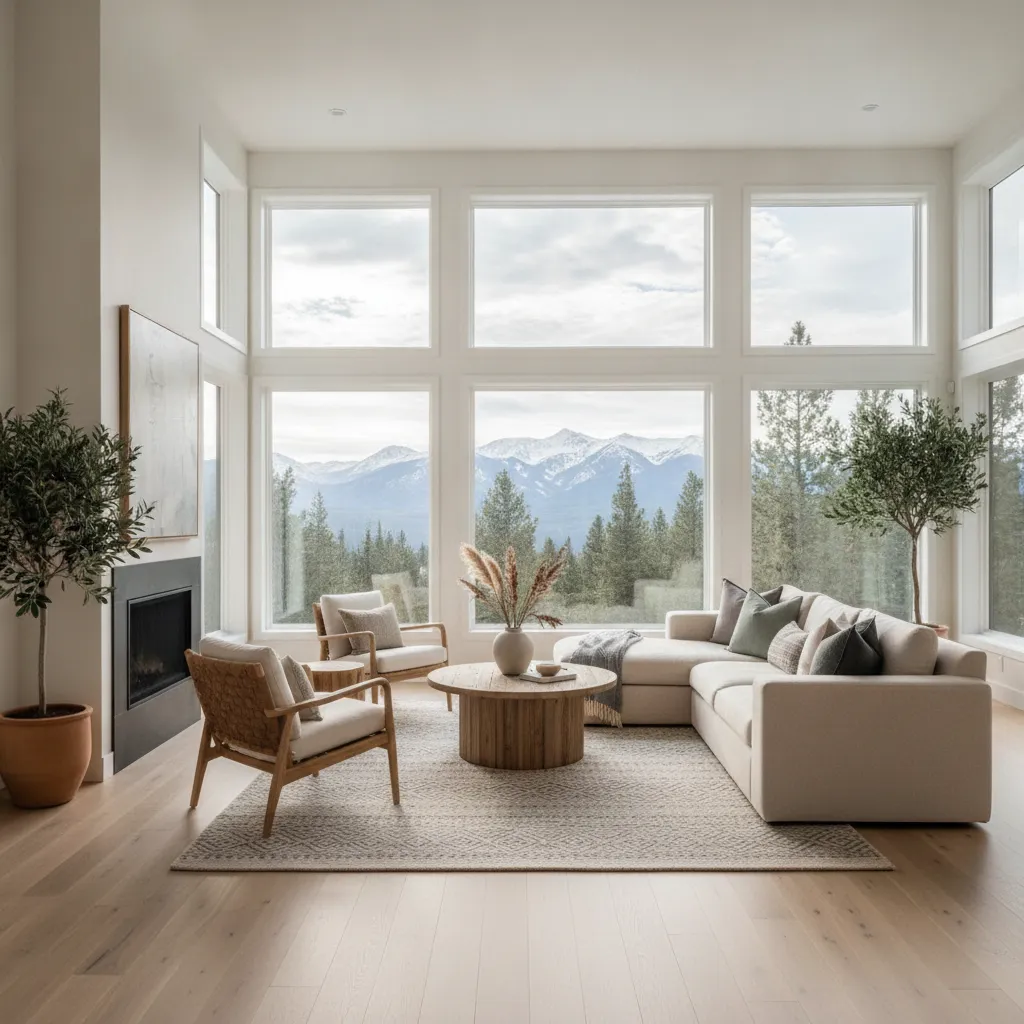
Flooring Comparison
Luxury Vinyl Plank vs. Laminate
Two floors that look almost identical on the showroom rack behave very differently once they're in your house. Here's an honest, Idaho-specific breakdown of where each one earns its place.
Luxury vinyl plank and laminate are the two floors most Treasure Valley homeowners end up comparing, and for good reason. Both float over your subfloor with a click-lock system, both photograph a wood grain onto a wear layer, and both land in a similar price neighborhood. Stand them side by side in a showroom and you'd struggle to tell which is which. The differences that matter don't show up until water, weight, and a few Idaho winters get involved.
The honest headline is that neither one is simply better. LVP wins decisively anywhere moisture is in play, and it gives you a softer, quieter floor. Laminate answers back with a harder, more scratch-resistant surface, often the most convincing wood texture for the money, and a lower cost on big dry rooms. The right answer depends less on brand and more on which room you're standing in and what walks across it.
The core construction is what drives everything else. Rigid-core LVP is built on a waterproof mineral or polymer core that doesn't absorb water, so a spill or a slab that sweats in spring is a non-event. Laminate is built on a high-density fiberboard core, which is essentially compressed wood. That core gives laminate its rigidity and its excellent scratch-resistant surface, but it's also why standing water is laminate's weakness: once moisture reaches a seam, the fiberboard can swell and won't recover.
This guide walks the real trade-offs, room by room, with Idaho conditions front and center: dry forced-air winters that move wood products, basements and slab-on-grade floors that fight moisture, radiant-heat setups, and the snow-and-mud entries every Boise-area home deals with from November through April. We install both materials, so we have no reason to push you toward one; the goal is to get the right floor into the right room.
Head to Head
Luxury Vinyl Plank vs. Laminate at a glance
| Factor | Luxury Vinyl Plank | Laminate |
|---|---|---|
| Water resistance | Fully waterproof core; handles standing water, spills, and slab moisture | Water-resistant only; fiberboard core can swell at seams if water sits |
| Best rooms | Basements, baths, laundry, mudrooms, kitchens, whole-home runs | Dry above-grade rooms: bedrooms, hallways, living and family rooms |
| Scratch/dent | Strong scratch resistance with a thick wear layer; can dent under hard impact | Harder surface, top-tier scratch and scuff resistance; more prone to chip than dent |
| Comfort underfoot | Softer, warmer, quieter with a bit of give | Firmer and harder; quieter with a quality underlayment pad |
| Look and texture | Very realistic; color runs deeper so wear hides well | Often the deepest, most convincing embossed wood grain for the money |
| Cost | Competitive; slight premium over laminate at matched quality | Typically a bit lower per sq ft, especially over large dry areas |
| Lifespan | Roughly 15-25 years; predictable across wet and dry rooms | Similar in dry rooms, but moisture damage can cut it short |
Ranges are general guidance for quality rigid-core LVP and premium laminate; exact performance depends on product tier, subfloor, and installation.
The Idaho Angle: Moisture, Dry Air, and Slabs Decide It
Idaho throws two opposite problems at a floating floor, and they push in different directions. In winter, forced-air heat drops indoor humidity hard, which pulls moisture out of any wood-based product. Laminate's fiberboard core is dimensionally stable but not immune; on a big run without proper expansion gaps, dry-season shrinkage and shoulder-season swelling can telegraph at the seams. LVP's mineral core barely notices humidity swings, which makes it the calmer choice for large open-plan spaces that see big seasonal changes.
Then there's water, and this is where the decision usually gets made. A huge share of Treasure Valley living space is basement or slab-on-grade, and concrete moves moisture whether you can see it or not. A slab that reads dry in August can wick vapor in spring. Rigid-core LVP shrugs this off. Laminate over a slab needs a first-rate vapor barrier and still stays vulnerable at the seams, which is why we steer laminate away from basements, bathrooms, laundries, and mudrooms almost every time.
Radiant heat and mud entries round it out. Both materials can go over in-floor radiant when rated for it and installed to the temperature limits, but LVP's tolerance is generally more forgiving. And for the snow-and-mud entry that defines an Idaho winter, LVP is the clear pick: it takes standing meltwater and grit without complaint, while laminate at a wet threshold is a swelled seam waiting to happen.
Real-World Feel, Installation, and Living With It
Underfoot, these floors feel different. LVP is softer and warmer to the touch, with a bit of give that's easier on your feet and quieter under a household of kids and dogs. Laminate is harder and can sound a touch hollower unless it's installed over a quality pad, though that hardness is exactly what makes its surface so tough against scratches and dents. If comfort and quiet matter most, LVP leads; if you want the firmest, most solid-feeling step and the deepest embossed grain, laminate makes a strong case.
Installation realities favor LVP for tricky spaces. Its forgiving nature means it handles a slightly imperfect subfloor better, and a thinner profile transitions cleanly into existing rooms. Laminate is less tolerant of subfloor irregularities and, critically, of moisture during and after install, so subfloor flatness and acclimation matter more. Both float without glue in most residential settings, and both need proper expansion gaps at the walls, something we hold to carefully given Idaho's seasonal movement.
Day to day, maintenance is simple for both, but the failure modes differ. LVP cleans up with a damp mop and wet spills are genuinely no concern. Laminate wants a barely-damp mop and quick spill cleanup; let water sit and you risk the edges. On repairs, a damaged floating plank of either type can be swapped, though a swelled laminate plank is more common and less predictable than a dented LVP one. Whichever you choose, Alderwood Flooring installs both as an Idaho Registered Contractor (Idaho RCE-6681702), fully insured, with a workmanship warranty and 20+ years of combined experience behind the crew. If you're weighing a specific room, reach out and we'll walk it with you.
Choose Luxury Vinyl Plank If…
- You're flooring a basement, mudroom, bathroom, laundry, or anywhere near water
- You want one continuous floor running from a wet entry into living space
- You have pets, kids, or snow-and-mud traffic and want spills to be a non-issue
- You're installing over a concrete slab or in a space prone to seasonal moisture
- You want softer, quieter footing underfoot and easier tolerance for a slightly uneven subfloor
Choose Laminate If…
- You're covering a large above-grade area (great room, bedrooms, hallways) on a budget
- Scratch and dent resistance from furniture and pet claws is your top concern
- The room stays dry and you can control quick spills
- You want the deepest, most convincing wood-grain texture for the money
- You're pairing it with a solid subfloor and don't need it in any wet zone
Want the full picture? See every option in our flooring comparison guide, the best pick per space in our room-by-room guides, or what it all costs in the cost guide.
More Comparisons
Other Head-to-Head Matchups
Good to Know
Frequently Asked Questions
Is laminate really cheaper than LVP, or is that outdated?
For comparable quality tiers, laminate still tends to come in a little lower on material cost, and the gap widens on large above-grade areas like great rooms and bedrooms. But the numbers get close once you compare a good rigid-core LVP against a premium water-resistant laminate. The bigger cost question is where you're installing: if the room ever sees water, laminate's lower sticker price disappears the first time a plank swells and has to be replaced. On a dry, large footprint, laminate can be the smarter spend.
Is 'waterproof' laminate the same as waterproof LVP?
No, and this is the most common point of confusion. Most laminate is water-resistant, meaning it can handle a wiped-up spill but not standing water, and its fiberboard core will swell if water reaches the seams or edges. Rigid-core LVP is genuinely waterproof through the plank itself; the material doesn't absorb water. Even a laminate sold as waterproof usually carries that rating only under specific spill-time conditions. For a Boise basement or a bathroom, we treat LVP as waterproof and laminate as water-resistant.
Which one scratches less with dogs and moved furniture?
Laminate generally has the edge on surface scratch and scuff resistance because of its hard melamine wear layer, which is why it holds up well against dog claws and dragged chairs. Good LVP with a thick wear layer (20 mil or more) resists scratches well too and hides them better because the color runs deeper, but a very hard object can still dent it since vinyl is softer. If pure scratch hardness is your priority and the room stays dry, laminate is a fair pick.
Can I run the same floor through my mudroom and into the kitchen and living room?
With rigid-core LVP, yes, and that's one of its best arguments in an Idaho home. You can carry one waterproof floor from a snow-and-mud entry straight through the kitchen and into living areas with no transition strips and no worry about the wet zones. With laminate, we'd usually stop it short of the entry or wet areas and transition to a different material, which means more seams and a less seamless look. If a continuous run matters to you, LVP wins.
How long will each floor last in a typical Treasure Valley home?
A quality rigid-core LVP installed correctly should give you roughly 15 to 25 years of service, and it tolerates our dry winters and slab conditions with very little drama. A good laminate can last a similar span in a dry, above-grade room, but its lifespan is far more sensitive to moisture; one plumbing leak or a swelled seam can force a repair long before wear-out. In practice, LVP's lifespan is more predictable across more rooms, while laminate rewards a dry, stable location.
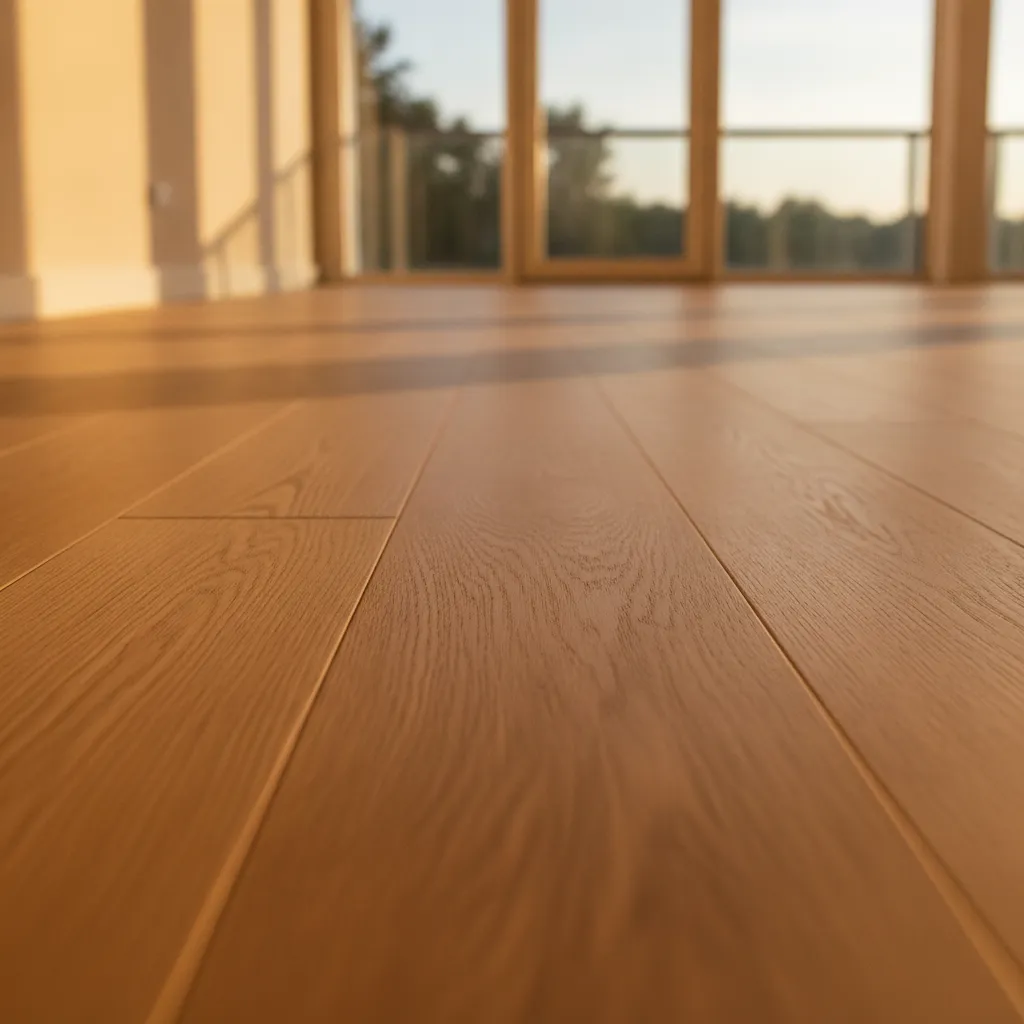
Still Not Sure? Let's Talk It Through
Call (208) 779-4248 or request a free estimate — we'll give you a straight recommendation for your rooms and budget.