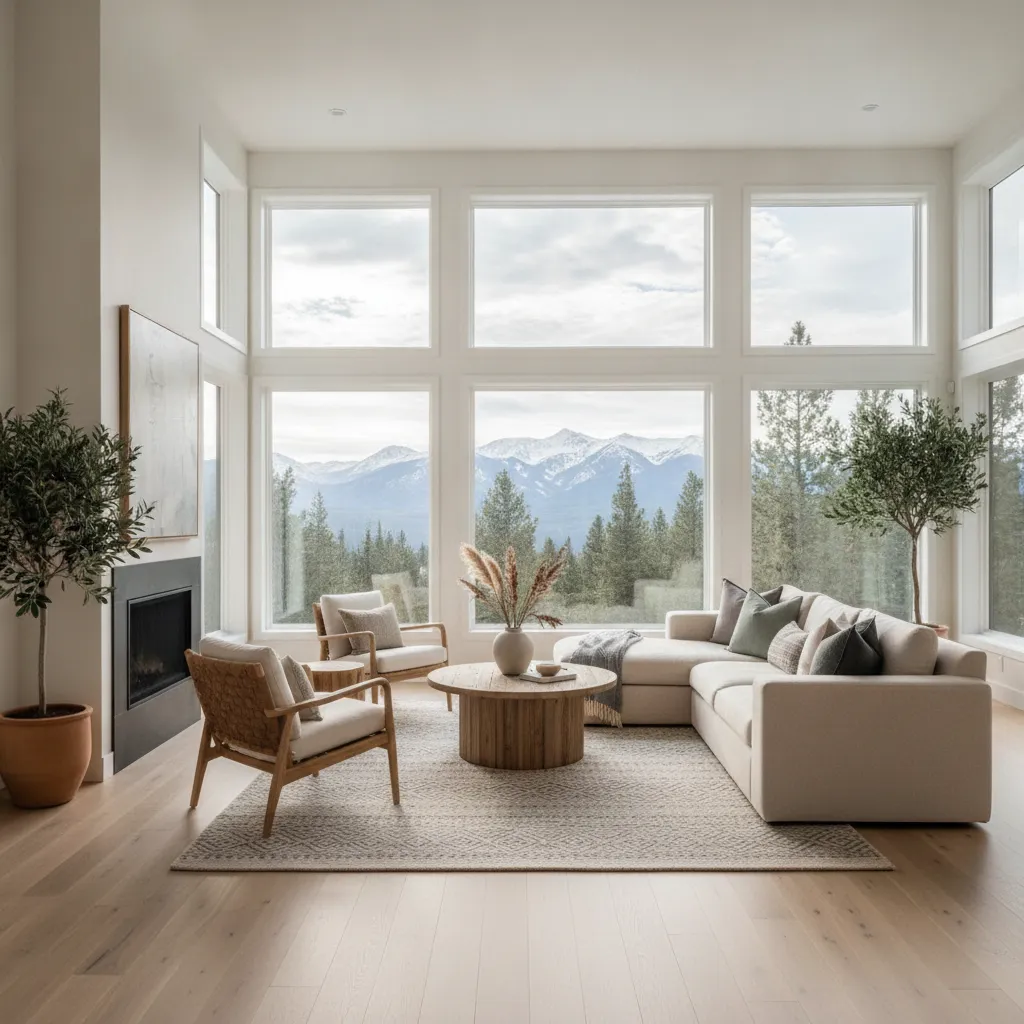
Flooring Comparison
Carpet vs. Hardwood
Two of the most popular choices for Treasure Valley bedrooms and living rooms, weighed honestly for Idaho's dry winters, forced-air heat, and real family use.
Carpet and hardwood sit at opposite ends of almost every flooring decision, which is exactly why homeowners keep pitting them against each other. Carpet is soft, warm, and quiet underfoot. Hardwood is durable, timeless, and the surface most buyers want to see when they walk through a home. Neither is universally 'better' — the right answer depends on the room, the household, and the way Boise-area conditions act on each material over time.
The honest trade-off comes down to comfort versus longevity. Carpet wins the moment you step out of bed on a cold January morning and it wins again when you want a family room where kids can sprawl on the floor. Hardwood wins on resale, on lifespan, and on the ability to be refinished decades from now instead of replaced. One is a comfort surface you'll enjoy for 8 to 15 years; the other is a finish surface that can last the life of the house.
Idaho's climate pushes this decision in ways that don't matter as much in milder regions. Our winters are dry, and forced-air furnaces run for months, pulling indoor humidity down into the 20 to 30 percent range. Wood reacts to that: boards give up moisture, shrink slightly, and thin seasonal gaps can open between planks. Carpet doesn't move with humidity at all. That single fact changes how each material behaves in a Treasure Valley home — and it's the piece most online comparisons skip.
Below is a straight comparison, an Idaho-specific look at moisture and movement, and a clear recommendation for who should choose which. Alderwood Flooring installs both throughout the Boise metro, so this isn't a pitch for one over the other — it's the guidance we give homeowners in person.
Head to Head
Carpet vs. hardwood at a glance for Treasure Valley homes
| Factor | Carpet | Hardwood |
|---|---|---|
| Comfort & warmth underfoot | Soft, warm, cushioned — best for bare feet on cold mornings | Hard and cool; needs rugs or radiant heat to feel warm |
| Durability & lifespan | Typically 8-15 years before it looks worn and gets replaced | Decades; can be refinished 3-5+ times instead of replaced |
| Resale value | Neutral to slightly negative; buyers often plan to replace it | Strong selling point; widely requested by Idaho buyers |
| Allergens & air quality | Traps dust, dander, and pollen in the fibers | Wipes clean; far friendlier for allergy sufferers |
| Sound & quiet | Absorbs footsteps and echo — quietest option | Reflects sound; can feel loud without rugs |
| Reaction to dry Idaho winters | Unaffected by low humidity | Shrinks slightly; seasonal gaps can open in dry air |
| Maintenance | Regular vacuuming plus periodic deep cleaning | Sweep and damp-mop; refinish when worn |
General guidance; actual performance depends on product grade, subfloor, and installation.
The Idaho Angle: Dry Air, Wood Movement, and Where Moisture Lives
Wood is hygroscopic — it takes on and releases moisture with the air around it. In the Treasure Valley, that means a hardwood floor lives through a big annual swing: humid enough in summer that boards sit tight, then dry enough in a forced-air winter that they contract. Well-installed solid hardwood handles this, but you should expect thin seasonal gaps between planks in the coldest months that close back up by spring. It's normal, not a defect. Running a whole-home humidifier and keeping indoor humidity in the 35 to 45 percent range dramatically reduces the movement and the gapping.
This is also where product choice matters. Engineered hardwood, with its cross-layered core, moves far less than solid wood and is the safer pick for basements, over slabs, and in homes without humidity control. Solid hardwood is the better candidate for main-level rooms where it can be refinished many times over. Carpet, by contrast, is completely indifferent to humidity — it never gaps, cups, or moves, which is one reason it remains a comfortable default in bedrooms.
Moisture from below is the other Idaho consideration. Basement bedrooms and rooms over concrete slabs carry a slow moisture load that can cook a solid wood floor over time. In those spaces we steer homeowners toward carpet or engineered hardwood over a proper moisture barrier rather than solid plank. Snow-and-mud entry points — mudrooms, back doors, garage thresholds — punish carpet, so hard surface with a good mat usually wins there regardless of what's in the adjoining rooms.
Real-World Living: Comfort, Cleaning, and the Cost Question
Day to day, the two materials shape a room differently. Carpet makes a space quieter and warmer — footsteps disappear, echo drops, and the floor holds heat, which matters in bedrooms and upstairs playrooms where kids sit on the ground. Hardwood makes a space feel larger, brighter, and more finished, and it reads as higher quality the moment someone walks in. Many Boise-area homeowners land on a hybrid: hardwood through the living areas, hallways, and entry, with carpet reserved for bedrooms and a bonus room.
Cleaning and health tilt toward hardwood for a lot of households. Carpet fibers trap dust, pet dander, and pollen, and even regular vacuuming only reaches so far — for allergy-prone families that's a real drawback. Hardwood wipes clean and doesn't hold allergens, but it shows dust, pet nails, and scratches more openly and asks for felt pads under furniture and a no-shoes habit to keep it looking its best. Neither is maintenance-free; they simply ask for different chores.
On cost, carpet is generally the lower upfront investment and the faster installation, which makes it attractive when budget or timeline is tight or when you're covering a lot of bedroom square footage. Hardwood costs more to buy and install, but the math changes over a longer horizon: a carpet you replace two or three times may cost more than one hardwood floor you refinish. We don't publish pricing here because it depends on product grade, subfloor prep, and square footage — reach out and we'll walk your rooms and give you real numbers for both. Alderwood Flooring is an Idaho Registered Contractor (Idaho RCE-6681702), insured, backs installs with a workmanship warranty, and brings 20+ years of combined experience installing both materials across the Treasure Valley.
Choose Carpet If…
- The room is a bedroom, nursery, or upstairs space where warmth and softness matter most
- You want the quietest floor and less echo between levels
- You're finishing a basement or a room over a slab and want comfort without wood-movement worries
- Upfront budget or a fast timeline is the priority
- No one in the home has significant dust or allergy sensitivities
Choose Hardwood If…
- You want a floor that lasts decades and can be refinished instead of replaced
- Resale value and buyer appeal are on your mind
- Someone in the home deals with allergies or asthma
- It's a main-level living area, hallway, or entry that sees heavy traffic
- You're willing to run a humidifier in winter to keep seasonal movement minimal
Want the full picture? See every option in our flooring comparison guide, the best pick per space in our room-by-room guides, or what it all costs in the cost guide.
See These Floors by Room
More Comparisons
Other Head-to-Head Matchups
Good to Know
Frequently Asked Questions
Will hardwood really gap in the winter here?
Thin seasonal gaps are common in Treasure Valley homes because forced-air heat drives indoor humidity low and wood contracts. They typically close again by spring. Keeping indoor humidity around 35 to 45 percent with a whole-home humidifier greatly reduces the movement, and engineered hardwood gaps far less than solid plank.
Is carpet or hardwood better for bedrooms?
For most Idaho bedrooms, carpet is the more comfortable choice — it's warm underfoot on cold mornings and it's the quietest surface. Hardwood works beautifully in bedrooms too, especially with area rugs, if you prioritize longevity, allergen control, and a consistent look throughout the home.
Which is better if someone has allergies?
Hardwood, clearly. Carpet fibers trap dust, dander, and pollen that vacuuming can't fully remove, while hardwood wipes clean and holds nothing. If allergies or asthma are a concern in the household, hard surface in the bedrooms is usually worth the trade-off in comfort.
Can I put hardwood in a basement bedroom?
Solid hardwood isn't ideal below grade because of slow moisture from the slab. In basements we recommend either carpet or engineered hardwood installed over a proper moisture barrier. Engineered plank's cross-layered core resists the movement and moisture that would trouble solid wood down there.
Is hardwood worth the higher cost over carpet?
Over a long horizon, often yes. Carpet costs less upfront but usually gets replaced every 8 to 15 years, while a hardwood floor can be refinished several times and last the life of the house — plus it adds resale value. If budget or timeline is tight right now, carpet is the sensible pick. We can price both for your specific rooms.
Still Not Sure? Let's Talk It Through
Call (208) 779-4248 or request a free estimate — we'll give you a straight recommendation for your rooms and budget.